AI Prompt Engineering Fundamentals: Everything Beginners Need to Know
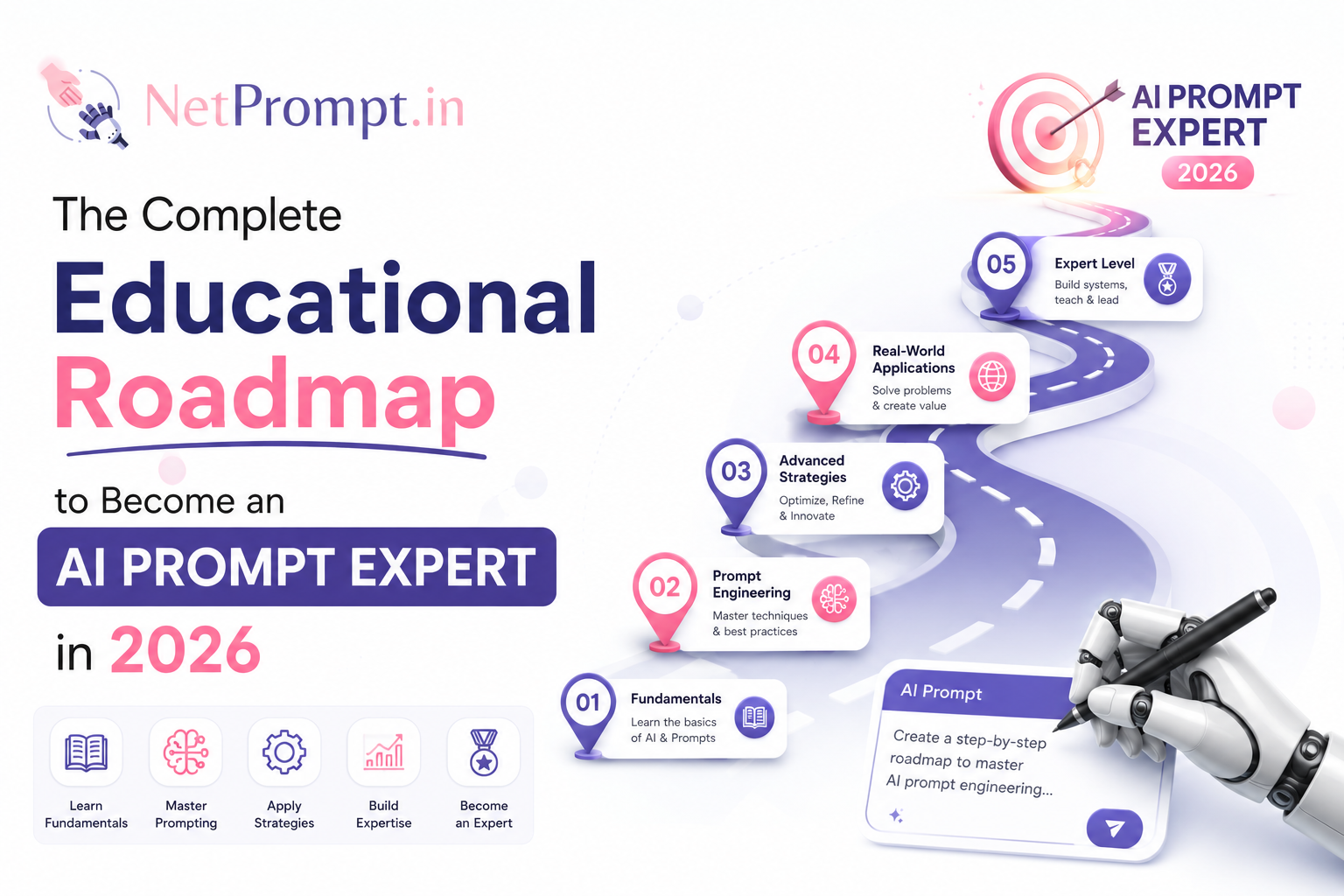
In the rapidly evolving technological landscape of 2026, artificial intelligence has become an indispensable resource for learning, creativity, and productivity. At the core of effective AI utilization lies prompt engineering—the systematic practice of designing clear, structured inputs to guide generative models toward accurate and useful outputs. This fundamentals guide equips beginners, including students and aspiring creators, with essential knowledge to begin their journey in AI prompt engineering confidently and effectively.
What Is Prompt Engineering?
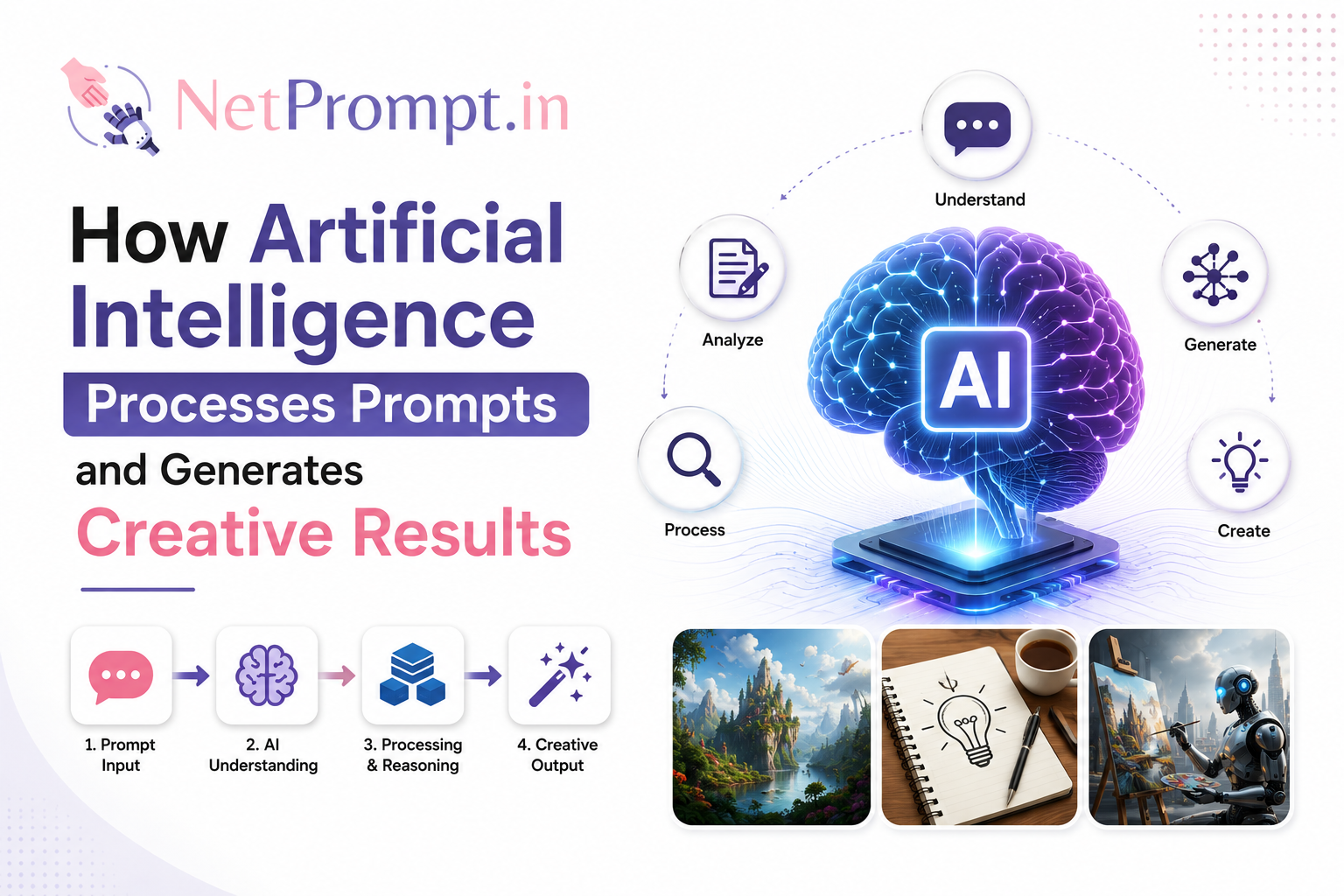
Prompt engineering refers to the deliberate crafting of textual instructions, known as prompts, for large language models such as ChatGPT, Claude, Gemini, and Grok. These models process natural language by recognizing patterns from vast training datasets and generating responses based on probabilistic predictions. Unlike traditional programming, prompt engineering relies on natural language rather than code, making it accessible to individuals without technical backgrounds.
The quality of the prompt directly influences the relevance, accuracy, and creativity of the AI’s response. Effective prompts bridge human intent with machine capabilities, transforming AI from a novelty into a reliable collaborative tool.
Why Prompt Engineering Matters for Beginners
Mastering fundamental prompt engineering skills offers numerous advantages:
- Enhanced academic performance through customized explanations and study aids.
- Improved content creation efficiency for bloggers and creators.
- Development of critical thinking, communication, and digital literacy skills.
- Preparation for future careers where AI collaboration is increasingly standard.
Beginners can achieve meaningful results with consistent practice, as the skill builds intuition over time rather than requiring innate technical aptitude.
Core Principles of Effective Prompt Writing
Successful prompts rest on three foundational elements:
Keywords: Precise action verbs and domain-specific terms that direct the model’s attention. Examples include “analyze,” “summarize,” “compare,” “generate,” and “evaluate.” Strategic placement of keywords early in the prompt enhances their impact.
Descriptions: Rich contextual information specifying the audience, tone, length, format, and constraints. These details reduce ambiguity and align outputs with user needs.
Creative Instructions: Guidance that encourages originality, such as analogies, scenarios, or alternative perspectives, while maintaining clear boundaries to preserve accuracy.
Example Transformation:
Weak Prompt: “Tell me about artificial intelligence.”
Strong Prompt: “Act as an introductory AI educator. Explain the fundamental concepts of artificial intelligence for complete beginners, including real-world applications and ethical considerations. Use simple language, include one everyday analogy, and structure the response with clear headings under 500 words.”
Essential Prompting Techniques for Beginners
1. Role Assignment
Assign a specific persona to shape the response style and expertise level.
Example: “You are a patient and knowledgeable high school physics teacher. Explain the concept of gravity with practical examples suitable for students new to the subject.”
2. Chain of Thought (CoT) Prompting
Instruct the model to reason step by step, improving logical coherence and transparency.
Example: “Think step by step before answering. How would you create a balanced daily routine for a college student balancing studies, part-time work, and personal well-being?”
3. Iterative Refinement
Engage in multi-turn conversations to progressively enhance outputs through follow-up instructions.
4. Few-Shot Prompting
Provide one or more examples within the prompt to demonstrate the desired format or style.
Building Complete Prompts: A Practical Framework
Beginners benefit from a repeatable structure:
- Role or context assignment.
- Main task with strong keywords.
- Detailed descriptions and constraints.
- Creative instructions if applicable.
- Output format and length specifications.
Integrated Example:
“You are a professional study skills coach. Develop a comprehensive weekly study schedule for a university student preparing for final exams in three subjects. Provide a detailed description of time allocation, breaks, and review techniques. Use creative instructions to incorporate motivational elements and productivity tips. Structure the response with a sample timetable in table format, potential challenges with solutions, and a summary checklist. Target motivated but busy students and keep the total response under 800 words.”
Applications for Students and Creators
For Students: Generate concept explanations, practice quizzes, essay outlines, and research summaries.
For Creators and Bloggers: Develop article ideas, social media content, image generation prompts, and content calendars.
Image Generation Example: “Create a detailed prompt for an AI image tool: A focused student studying at a modern desk with natural window light, organized notes, a laptop displaying educational content, and motivational elements like a vision board in the background. Warm, inspiring atmosphere, photorealistic style, 16:9 aspect ratio.”
Common Beginner Mistakes and Solutions
- Excessive Vagueness: Solution — Add specific descriptions and constraints.
- Overloading Information: Solution — Break complex tasks into sequential prompts.
- Accepting Suboptimal Outputs: Solution — Use iterative refinement and meta-prompting to improve results.
- Over-Reliance: Solution — Always verify facts and integrate personal analysis.
Regular self-review of prompts accelerates learning and builds confidence.
Best Practices and Ethical Considerations
- Maintain a personal prompt library for reuse and adaptation.
- Practice daily with real tasks to develop intuition.
- Experiment across different AI models to understand their strengths.
- Prioritize accuracy by requesting evidence-based reasoning where appropriate.
Ethically, use AI as a supportive tool rather than a replacement for original effort. Protect privacy, disclose AI assistance when required, and uphold academic and professional integrity standards.
Recommended Free Resources for Beginners
- LearnPrompting.org: Interactive tutorials and examples.
- PromptingGuide.ai: Comprehensive techniques and templates.
- Elements of AI by the University of Helsinki: Foundational concepts.
- Vanderbilt University’s Prompt Engineering Course on Coursera (free audit mode).
- DeepLearning.AI short courses by Andrew Ng.
These resources support self-paced learning from home.
Conclusion
AI prompt engineering fundamentals provide beginners with the essential knowledge and techniques needed to interact productively with artificial intelligence. By mastering keywords, detailed descriptions, creative instructions, role assignment, Chain of Thought prompting, and structured frameworks, learners can achieve consistently better results across educational and creative endeavors.
The path to proficiency is straightforward: start with basic principles, practice daily using the examples provided, refine iteratively, and apply skills to real-world tasks. Students gain academic advantages, while creators and bloggers enhance productivity and innovation.
Begin today by experimenting with simple prompts and gradually incorporating advanced elements. Maintain a reflective approach through journaling successful examples. As artificial intelligence continues to integrate into daily life, strong foundational prompt engineering skills will serve as a valuable, future-proof competency.
Consistent practice and ethical application will transform AI into a powerful ally for learning, creativity, and personal growth. The fundamentals outlined in this guide offer a solid starting point—dedicate time to their application, and witness meaningful improvements in your ability to harness artificial intelligence effectively.